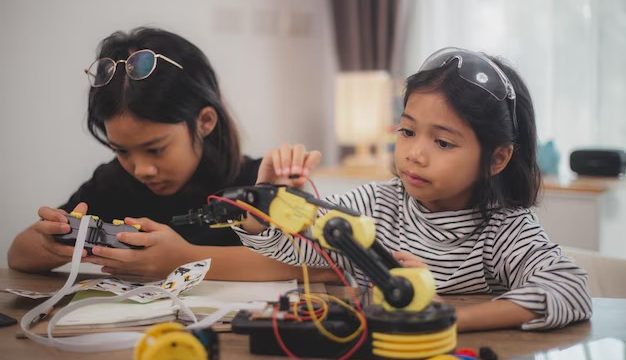
Curiosity is a beautiful thing.
It’s the spark that ignites our desire to learn, explore, and understand the world around us.
In our fast-paced lives, we often find ourselves caught up in routines and responsibilities, forgetting to nurture that innate sense of wonder.
This is where the idea of trimester learning comes in—a gentle approach that encourages exploration and curiosity in a structured yet flexible manner.
Trimester learning divides the educational year into three distinct periods, allowing for a more focused and intentional approach to acquiring knowledge. Each trimester can serve as a fresh canvas, inviting learners to delve into different subjects, themes, or areas of interest. This approach not only fosters a sense of curiosity but also promotes deeper understanding, as learners have the opportunity to immerse themselves in a topic over an extended period.
A gentle invitation to explore
Imagine a child who has the freedom to choose between studying marine life one trimester and the wonders of space in the next. This method encourages them to dive deep into their interests, allowing for a richer learning experience. Rather than skimming the surface of many subjects, they can absorb information, ask questions, and engage in hands-on activities that spark their imagination. This immersion fosters a genuine love for learning, making it a joyful journey rather than a chore.
For older students, trimester learning can be equally beneficial. It provides an opportunity to explore complex topics in greater detail, whether through collaborative projects, research assignments, or creative presentations. When learners are given the space to pursue their interests, they often discover connections between subjects that they may not have noticed before. This holistic approach not only enhances their knowledge but also encourages them to think critically and creatively.
Creating a nurturing environment
To truly encourage curiosity, it’s important to create an environment that supports exploration. This can be achieved by incorporating a variety of learning resources and experiences. Libraries, museums, nature centers, and even local community events can serve as valuable extensions of the classroom. By exposing learners to diverse perspectives and experiences, we help them see the world through a wider lens.
In addition to external resources, fostering a sense of safety and openness in the learning environment is crucial. When learners feel comfortable asking questions and expressing their thoughts, they are more likely to engage with the material and pursue their interests. Encouragement from educators, parents, and peers can go a long way in validating their curiosity and inspiring them to dig deeper.
A small shift toward balance
While trimester learning offers a more focused approach, it’s essential to maintain balance. Curiosity thrives when there’s room for exploration, but it can be stifled by rigid schedules and overwhelming expectations. It’s important to allow for flexibility within the trimester structure, giving learners the freedom to pursue their passions without the pressure of strict deadlines. This balance can lead to a more fulfilling learning experience, where curiosity is not just a fleeting moment but a lasting habit.
Incorporating mindfulness practices into the learning process can also enhance curiosity. Taking time to reflect on what has been learned, asking open-ended questions, and encouraging discussions about ideas can help learners connect with the material on a deeper level. Mindfulness nurtures curiosity by allowing learners to slow down, observe, and truly engage with their surroundings.
The role of storytelling
Storytelling is another powerful tool that can encourage curiosity. Whether through books, films, or personal anecdotes, stories have a unique ability to captivate our imagination and inspire us to explore new ideas. By integrating storytelling into the curriculum, educators can create a rich tapestry of learning experiences that ignite curiosity and foster a sense of wonder. When learners see themselves reflected in the stories they encounter, they are more likely to engage with the content and seek out their own narratives.
Moreover, storytelling encourages empathy and understanding. When learners hear about different cultures, experiences, and perspectives, it opens their minds to the world beyond their own. This broader understanding can lead to more profound questions and a desire to learn about the experiences of others, further cultivating curiosity.
Encouraging lifelong learning
Ultimately, the goal of trimester learning is to foster a love for lifelong learning. When curiosity is nurtured, it becomes a guiding force that encourages individuals to seek knowledge and understand the world around them. This journey doesn’t end with formal education; rather, it evolves into a continuous quest for understanding and growth.
As we navigate through life, the skills developed through cultivating curiosity—critical thinking, creativity, and adaptability—become invaluable. These skills empower individuals to confront challenges, embrace change, and pursue their passions with enthusiasm. By encouraging a mindset of curiosity from an early age, we lay the foundation for a generation of lifelong learners who are equipped to thrive in an ever-changing world.
In conclusion, trimester learning presents a beautiful opportunity to embrace curiosity in a structured yet flexible manner. By fostering an environment that encourages exploration, maintaining balance, integrating storytelling, and nurturing a love for learning, we can cultivate curiosity that lasts a lifetime. As we support learners in their journey of discovery, we not only enrich their lives but also contribute to a more curious and compassionate world. Let’s cherish that spark of curiosity and allow it to guide us on our lifelong adventures.