Exploring ideas is a journey that every student embarks upon, often without realizing the importance of the process.
When we think about education, we frequently focus on the accumulation of facts or the mastery of skills.
However, the ability to explore ideas is a vital component of learning that can lead to deeper understanding and creativity.
By nurturing this skill, we can help students not only excel academically but also prepare them for a world that thrives on innovation and critical thinking.
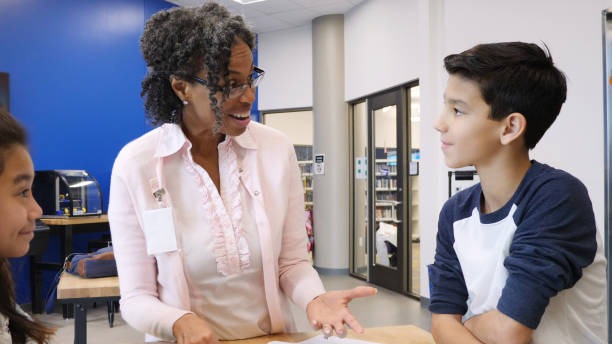
Creating a nurturing environment is the first step in encouraging students to explore ideas. This space should feel safe and inviting, allowing students to express their thoughts freely without the fear of judgment. When learners feel comfortable sharing their ideas, they are more likely to engage in meaningful discussions and explore concepts in depth. Educators can foster this environment by being approachable, encouraging questions, and showing genuine interest in students’ thoughts and opinions.
One of the most effective ways to help students explore ideas is to encourage curiosity. Curiosity is a powerful driving force; it invites students to dig deeper and ask “why” or “how.” Educators can stimulate curiosity by presenting intriguing questions or scenarios that spark interest. For instance, instead of simply delivering a lesson on a historical event, a teacher might ask students to consider how different choices could have changed the outcome. This approach encourages them to think critically and explore various perspectives, enriching their understanding of the subject matter.
In addition to fostering curiosity, integrating creativity into the exploration of ideas can be incredibly beneficial. Creativity allows students to connect disparate concepts and develop original thoughts. Encouraging creative thinking can be as simple as incorporating art, music, or storytelling into lessons. For example, students might create a visual representation of a scientific concept or write a short story from the perspective of a character in a historical event. These activities not only make learning more engaging but also provide students with multiple avenues to express their understanding.
A gentle shift toward collaboration can also enhance the exploration of ideas. Group work often brings together diverse perspectives, allowing students to learn from one another. When students collaborate, they challenge each other’s thinking, which can lead to richer discussions and deeper insights. Educators can facilitate this by designing projects that require teamwork and by fostering an atmosphere of respect and open-mindedness. This collaborative spirit encourages students to appreciate different viewpoints and enhances their ability to explore ideas collectively.
Encouraging reflection is another essential aspect of helping students navigate their ideas. Reflection allows learners to pause and consider what they have discovered. After a discussion or project, students can take a moment to think about what went well, what challenges they faced, and how their ideas evolved. This practice not only solidifies their understanding but also cultivates a habit of self-assessment that is invaluable throughout their lives. Journaling can be a wonderful tool for this process, providing a space for students to articulate their thoughts and feelings about their learning experiences.
As students explore ideas, it’s important to guide them in developing critical thinking skills. Critical thinking involves analyzing information, evaluating different viewpoints, and making reasoned judgments. Educators can promote these skills by encouraging students to question the information presented to them. For example, when discussing a current event, teachers can prompt students to consider the sources of information, the motivations behind different viewpoints, and the implications of the event. This practice not only enriches their understanding but also empowers them to become informed citizens.
The role of technology in exploring ideas cannot be overlooked. In today’s digital age, students have access to a wealth of information and resources at their fingertips. Educators can leverage technology to enhance learning experiences. Online platforms can facilitate discussions, allow for collaboration on projects, and provide access to diverse perspectives from around the globe. However, it is essential to teach students how to navigate this vast information landscape critically, helping them discern credible sources from unreliable ones.
Another important aspect of exploring ideas is the ability to embrace ambiguity. In a world that often seeks clear answers, it’s crucial for students to understand that not all questions have straightforward solutions. Encouraging them to sit with uncertainty and explore various possibilities can lead to innovative thinking. Educators can model this by discussing complex topics that don’t have definitive answers, inviting students to explore their thoughts and feelings around these issues.
As students become more adept at exploring ideas, they will likely develop a sense of ownership over their learning. This ownership fosters intrinsic motivation, making students more engaged and invested in their education. When learners take the initiative to pursue their interests and passions, they are more likely to explore ideas deeply and creatively. Encouraging students to set personal learning goals and pursue projects that resonate with them can enhance this sense of agency.
In nurturing the exploration of ideas, it’s essential to celebrate progress, no matter how small. Recognizing students’ efforts and achievements helps build their confidence and encourages them to continue exploring. Celebrating milestones can take various forms, from sharing work with peers to creating a display of projects. These moments of acknowledgment reinforce the notion that exploration is a valuable and rewarding process.
Ultimately, teaching students how to explore ideas is about more than just academic achievement; it’s about preparing them for a life of inquiry, creativity, and critical thinking. By fostering an environment that encourages curiosity, creativity, collaboration, reflection, and critical thinking, educators can empower students to navigate their journeys of exploration with confidence and enthusiasm. As they learn to embrace uncertainty and develop their unique voices, they will be well-equipped to tackle the complexities of the world around them, transforming their ideas into meaningful contributions.