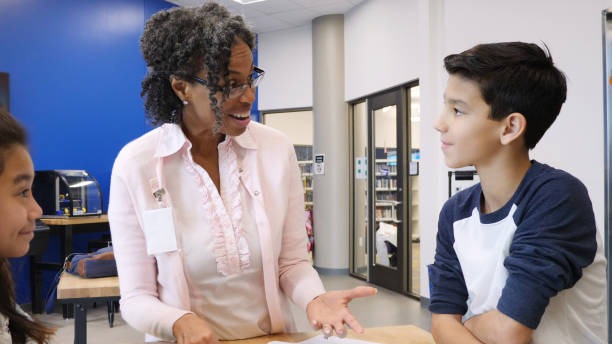
In today’s educational landscape, understanding students is more crucial than ever.
As classrooms become increasingly diverse, teachers are challenged to connect with each student’s unique background, interests, and learning styles.
One effective approach to fostering this connection is through inquiry strategies, which not only enhance learning but also promote a deeper understanding of each student’s needs.
Inquiry-based learning invites students to explore, ask questions, and engage in discussions that stimulate their curiosity. This method shifts the focus from teacher-led instruction to a more student-centered approach, where learners take an active role in their education. By encouraging students to inquire, educators create an environment where learners feel valued and understood.
The heart of inquiry strategies lies in their ability to create a dialogue between students and teachers. When students are encouraged to ask questions, they feel more empowered in their learning journey. This empowerment fosters a sense of ownership, making students more invested in their education. As they delve into topics that pique their interest, teachers gain valuable insights into their students’ passions and challenges.
A small shift toward balance can make a significant difference in how students engage with their learning. By incorporating inquiry strategies, educators can balance the traditional lecture format with interactive discussions. This balance allows students to express themselves fully, share their perspectives, and learn from one another. It also creates a supportive atmosphere where students feel comfortable voicing their thoughts and concerns.
Creating opportunities for inquiry can be as simple as posing open-ended questions that encourage critical thinking. For instance, instead of asking students to memorize facts, teachers can invite them to explore the reasons behind historical events or scientific phenomena. This approach not only deepens understanding but also helps students develop essential skills, such as analysis and reasoning.
Moreover, inquiry strategies can be tailored to fit the unique dynamics of each classroom. Understanding the diverse backgrounds and experiences of students allows educators to design inquiries that resonate with their learners. For example, a teacher might encourage students to investigate local environmental issues, fostering a connection between the curriculum and their community. This relevance not only enhances learning but also instills a sense of responsibility and agency in students.
As educators delve into inquiry-based learning, they may find themselves on a journey of discovery alongside their students. This shared exploration can strengthen the teacher-student relationship, as both parties engage in the quest for knowledge. Teachers can model curiosity and resilience, demonstrating that learning is a lifelong process. When students see their teachers embracing inquiry, they are more likely to adopt a similar mindset.
The role of reflection in inquiry strategies should not be overlooked. Encouraging students to reflect on their learning experiences can deepen their understanding and enhance their self-awareness. Reflection can take many forms, from journaling to group discussions, and allows students to articulate their thoughts and feelings about what they have learned. This practice not only aids in comprehension but also helps students develop a stronger sense of identity as learners.
Fostering a culture of inquiry also requires patience and understanding. It’s essential to recognize that not all students will engage with this approach in the same way. Some may thrive in an inquiry-based environment, while others might feel uncertain or overwhelmed. By being attuned to these varying responses, educators can adjust their strategies to ensure that all students feel included and supported. This flexibility is key to nurturing a classroom where every student has the opportunity to shine.
As inquiry strategies take root in the classroom, the benefits extend beyond academic achievement. Students often develop a greater sense of collaboration and community, as they work together to explore ideas and solve problems. This collaborative spirit not only enhances their learning experience but also prepares them for the interconnected world beyond the classroom. Cultivating these skills will serve them well in their future endeavors, whether in higher education or the workforce.
The journey of understanding students through inquiry strategies is a beautiful one, filled with opportunities for growth and connection. As educators embrace this approach, they contribute to a more inclusive and responsive educational environment. Each inquiry becomes a stepping stone toward building trust and fostering meaningful relationships between teachers and students.
In conclusion, inquiry-based learning is not merely a teaching strategy; it’s a philosophy that values curiosity, exploration, and connection. By embracing inquiry, educators can better understand their students, creating a classroom atmosphere that promotes engagement and enthusiasm for learning. As we move forward in education, let us prioritize understanding our students through inquiry, ensuring that every learner feels valued and inspired on their educational journey. In this harmonious blend of inquiry and understanding, we cultivate not just informed students, but compassionate and curious individuals ready to embrace the world around them.