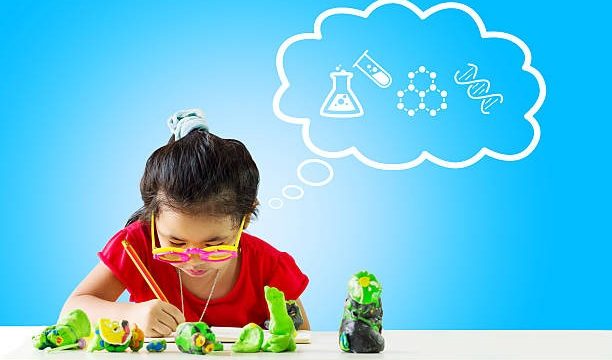
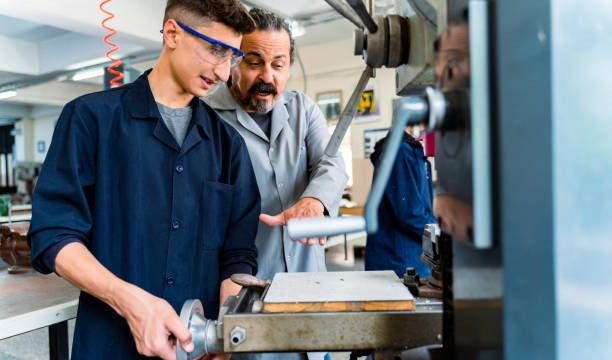
In the evolving landscape of education, the need for differentiated instruction in interactive classrooms is becoming more apparent.
As educators strive to meet the diverse needs of their students, the concept of tailoring teaching methods to accommodate individual learning styles is emerging as a key strategy.
This approach not only fosters a more inclusive environment but also enhances student engagement and understanding.
At its core, differentiated instruction is about recognizing that every student is unique. Each learner comes with their own set of experiences, interests, and abilities. This diversity can be a beautiful tapestry of perspectives, but it can also pose challenges in a traditional classroom setting. By embracing differentiated instruction, teachers can create a space where all students feel valued and empowered to learn at their own pace.
One of the most compelling aspects of differentiated instruction is its emphasis on interaction. An interactive classroom is one where students are not just passive recipients of information; they are active participants in their learning journey. This interactivity can take many forms—group discussions, hands-on activities, or even technology integration. The goal is to create a dynamic environment that encourages collaboration and communication among students.
Creating an interactive classroom begins with understanding the distinct needs of each student. Teachers can start by assessing their students’ readiness levels, interests, and learning profiles. This can be done through informal assessments, observations, or even student surveys. When educators have a clearer picture of their students, they can tailor their instruction accordingly. For instance, a teacher might offer different reading materials that cater to varying levels of comprehension or provide different project options that align with students’ interests.
As educators weave differentiated strategies into their interactive classrooms, they can also consider the role of technology. In today’s digital age, technology can serve as a powerful tool for enhancing learning experiences. Interactive platforms and educational apps can cater to individual learning styles, offering personalized pathways for students to engage with content. This integration of technology not only supports differentiated instruction but also prepares students for the modern world, where digital literacy is essential.
A small shift toward balance is often needed when implementing differentiated instruction. While it’s important to provide varied learning experiences, it’s equally crucial to maintain a sense of coherence in the classroom. Teachers can achieve this by establishing clear learning objectives that guide all activities, ensuring that every student, regardless of their learning style, is working toward the same goals. This balance creates a harmonious classroom environment where students can thrive.
Collaboration among students is another vital component of an interactive classroom. When students work together, they have the opportunity to learn from one another, share ideas, and develop critical thinking skills. Teachers can facilitate this collaboration through thoughtfully designed group work or peer-to-peer learning opportunities. For example, students might be paired based on complementary skills, allowing them to support each other in their learning journeys. This not only fosters a sense of community but also encourages students to take ownership of their education.
Creating a safe and supportive classroom environment is essential for differentiation to be successful. Students need to feel comfortable expressing their thoughts and asking questions. Establishing a culture of trust and respect can help facilitate this atmosphere. Teachers can model this behavior by being open to feedback and showing vulnerability themselves. When students see their teachers embracing growth and learning, they are more likely to mirror that behavior in their own experiences.
Another gentle approach to differentiation involves providing varied assessment methods. Traditional tests may not always capture a student’s understanding or abilities. Instead, offering diverse ways to demonstrate learning can be beneficial. This could include project-based assessments, presentations, or reflective journals. By allowing students to showcase their knowledge in ways that resonate with them, teachers can gain a more comprehensive view of their progress and understanding.
As educators continue to embrace differentiated instruction, it’s important to remember the power of reflection. Taking time to assess what strategies are working, which ones may need adjustment, and how students are responding is vital. This reflective practice not only enhances teaching effectiveness but also contributes to a culture of continuous improvement in the classroom. By being open to change, educators can better meet the evolving needs of their students.
In the end, differentiated instruction in interactive classrooms is about more than just academic success; it’s about fostering a love for learning. When students feel seen, heard, and supported, they are more likely to engage deeply with the material and develop a lifelong passion for education. This holistic approach nurtures not only their cognitive abilities but also their emotional and social growth.
As we look to the future of education, the integration of differentiated instruction in interactive classrooms stands out as a beacon of hope. By valuing diversity and encouraging collaboration, we can create environments where all students thrive. This journey may require patience and persistence, but the rewards are immeasurable. Together, let us continue to cultivate classrooms that inspire, uplift, and empower every learner to reach their fullest potential.