As we navigate our bustling lives, the call for environmental sustainability has become more pressing than ever.
This urgent need extends into every facet of society, including one of the most vital sectors: education.
The classroom is not just a place for academic learning; it is also a nurturing environment where we can foster a deeper understanding of our planet’s needs.
Integrating sustainability into education not only benefits students but also cultivates a generation that is more aware and responsible toward the environment.
A gentle awakening to our surroundings can be transformative. When we encourage students to engage with their environment, they begin to see the world through a different lens. Schools can serve as living laboratories, where students can learn about ecosystems, conservation, and the impact of human actions on nature. By incorporating hands-on activities such as gardening, recycling programs, and nature excursions into the curriculum, educators can inspire a sense of stewardship that goes beyond the classroom walls.
The role of educators is pivotal in this journey toward sustainability. Teachers can weave environmental themes into various subjects, making lessons more relevant to students’ lives. For instance, a science class can explore the principles of biodiversity, while a literature class might delve into stories that highlight the beauty of nature and the importance of protecting it. By creating a holistic approach to learning, educators can help students connect the dots between their studies and the world around them.
A small shift toward balance can also be achieved through the physical environment of schools. Eco-friendly campuses can serve as an example for students, demonstrating the principles of sustainability in action. Schools can adopt green building practices, utilize renewable energy sources, and implement water conservation strategies. By creating spaces that are both functional and environmentally friendly, we send a powerful message about the importance of sustainability.
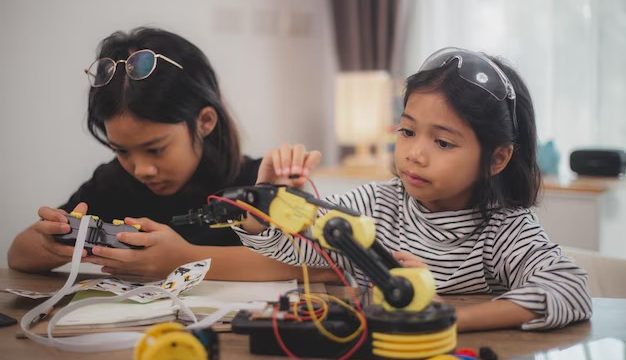
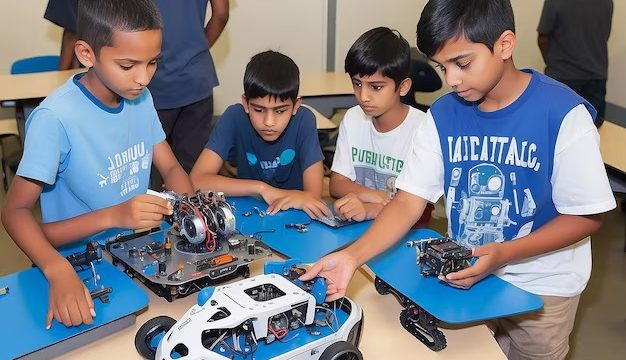
Moreover, the integration of technology in education presents unique opportunities to promote environmental awareness. Digital tools can facilitate collaboration among students and educators, allowing them to share ideas and projects focused on sustainability. Virtual field trips can take learners to remote ecosystems, and online platforms can host discussions about pressing environmental issues. By harnessing technology, we can broaden students’ horizons and deepen their understanding of global challenges.
Involving families and communities is another crucial aspect of fostering an environmentally conscious mindset. Schools can engage parents and guardians in sustainability initiatives, encouraging them to participate in workshops, volunteer opportunities, and community clean-up events. When families come together to support educational efforts, the impact can be profound. It reinforces the idea that sustainability is a shared responsibility, creating a ripple effect that extends far beyond school grounds.
As we reflect on the future of education, it’s essential to recognize the importance of interdisciplinary approaches. Sustainability is not confined to a single subject; it transcends disciplines and encourages critical thinking. By promoting project-based learning that incorporates multiple subjects, students can explore complex issues from various angles. This method not only nurtures creativity but also empowers students to develop solutions to real-world problems.
Furthermore, the concept of sustainability can be woven into the very fabric of school culture. Celebrating Earth Day, organizing sustainability fairs, or hosting guest speakers who are passionate about environmental advocacy can ignite enthusiasm among students. These events create a sense of community and shared purpose, reinforcing the idea that everyone has a role to play in protecting our planet.
Incorporating sustainability into education also encourages students to develop essential life skills. Problem-solving, collaboration, and critical thinking are all nurtured through sustainability-focused projects. As students work together to address environmental challenges, they learn to communicate effectively and appreciate diverse perspectives. These skills will serve them well, not just in their academic pursuits but in their future careers and personal lives.
As we consider the broader implications of environmental sustainability in education, it’s vital to recognize the role of policymakers. Advocating for policies that support sustainability initiatives in schools can help create systemic change. By prioritizing funding for green programs and resources, we can ensure that all students have access to an education that emphasizes the importance of caring for our planet.
Finally, it’s essential to approach the topic of sustainability with a sense of hope and empowerment. While the challenges we face are significant, the actions we take today can shape a brighter future. By instilling a sense of responsibility and agency in students, we can inspire them to become advocates for change in their communities and beyond.
In conclusion, environmental sustainability in education is not just a trend; it is a necessary evolution in how we teach and learn. By fostering a culture of awareness, collaboration, and empowerment, we can prepare future generations to navigate the complexities of our world with compassion and responsibility. As we take small steps toward a more sustainable future, we are also nurturing a profound connection between students and the natural world—a connection that will last a lifetime. Together, we can cultivate a mindful approach to education that honors our planet and inspires a more sustainable way of living.