In recent years, the intersection of technology and creativity has blossomed into a vibrant field, where robotics is not just about functional machinery but an exciting medium for artistic expression.
As we explore this fascinating territory, we find that robotics can serve as a canvas, a collaborator, and even a muse.
The marriage of robotics and creativity invites us to reimagine the boundaries of art and technology, opening pathways to new forms of expression that resonate deeply with our human experience.
The allure of robotics in the creative realm lies in its ability to transcend traditional artistic methods. Imagine a world where machines can dance, paint, or even compose music alongside us. This is not just a distant dream; it is happening now. Artists and technologists are coming together to explore how robots can enhance our creative processes, offering fresh perspectives and innovative techniques. This collaboration invites both seasoned artists and curious newcomers to experiment with new tools and ideas, making art more accessible and diverse.
A small shift toward balance can be seen in the way artists approach their work. Rather than viewing robotics as a replacement for human creativity, many embrace it as an extension of their artistic toolkit. For instance, robotic arms can be programmed to paint intricate designs, creating artworks that blend human intuition with machine precision. This synergy allows artists to push the limits of their imagination, exploring new styles and techniques that were previously unimaginable.
One of the most captivating aspects of robotics in art is its ability to engage audiences in unexpected ways. Interactive installations that incorporate robotic elements invite viewers to become part of the creative process. Imagine walking into a gallery where a robot responds to your movements, creating a dynamic visual display that evolves with your presence. This kind of immersive experience fosters a deeper connection between the artwork and the observer, transforming spectators into active participants in the artistic journey.
As we delve deeper into this realm, we encounter a variety of artistic expressions that showcase the versatility of robotics. From kinetic sculptures that move and change shape to algorithmic music compositions generated by machines, the possibilities are virtually limitless. Artists like Kiki Van Eijk and Theo Jansen have created stunning works that highlight the beauty of movement, merging art with engineering to create captivating experiences that leave a lasting impression.
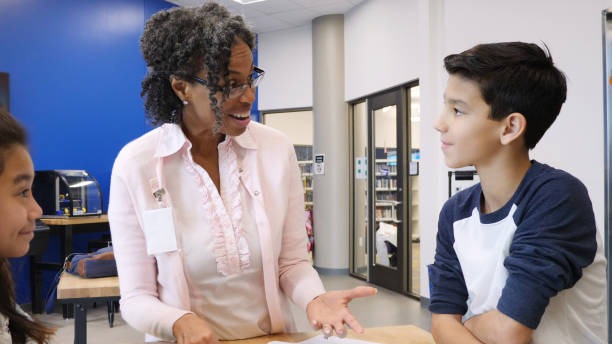
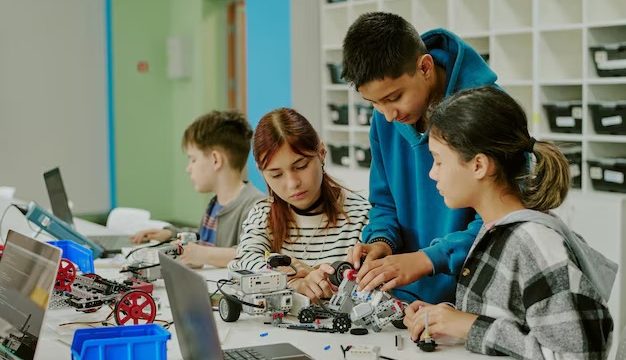
The role of robotics in creative expression also extends to the realm of education. Workshops and programs that integrate robotics into art curricula are becoming increasingly popular, encouraging young minds to explore the fusion of technology and creativity. These initiatives not only teach technical skills but also foster critical thinking, problem-solving, and collaboration—essential qualities for the innovators of tomorrow. By introducing robotics as a creative tool, educators inspire students to think outside the box and embrace experimentation, nurturing a generation of artists who are unafraid to explore new frontiers.
As we navigate this evolving landscape, it is essential to consider the ethical implications of using robotics in art. Questions arise about authorship, originality, and the role of the artist in a world where machines can create alongside us. These discussions are vital as we strive to understand how technology shapes our creative identities and influences our relationship with art. Engaging in these conversations helps us navigate the complexities of creativity in the age of automation, ensuring that the human touch remains at the heart of artistic expression.
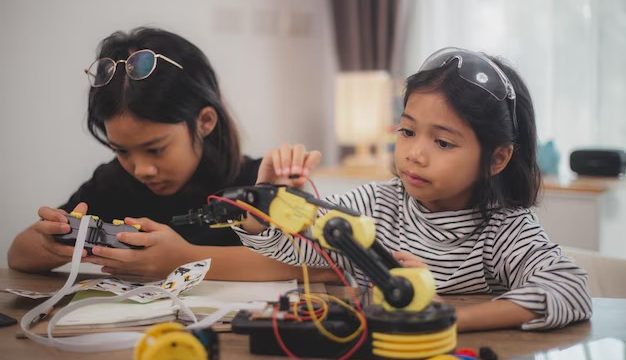
For those curious about embracing robotics in their own creative pursuits, starting small can be a wonderful approach. Simple projects, such as programming a robot to create patterns or using sensors to trigger artistic responses, can serve as an entry point into this captivating world. The key is to remain open to experimentation and playfulness, allowing the process to unfold organically. Engaging with robotics doesn’t require a background in engineering; it merely calls for a willingness to explore and innovate.
In our quest for creative expression through robotics, we also find opportunities for collaboration and community-building. Artists, engineers, and enthusiasts can come together to share ideas, resources, and inspirations. Hackathons, maker spaces, and online platforms provide spaces where individuals can connect, learn from one another, and co-create. This sense of community fosters a supportive environment where experimentation is encouraged, and diverse perspectives are celebrated.
As we look to the future, the potential for robotics in creative expression continues to expand. With advancements in artificial intelligence and machine learning, we may soon witness machines that not only assist in the creative process but also inspire new forms of artistic expression. This evolution invites us to ponder what it means to be creative in a world where technology plays an ever-increasing role in our lives.
Ultimately, the exploration of robotics for creative expression is an invitation to embrace curiosity and innovation. It encourages us to step outside our comfort zones and engage with the unexpected. Whether through painting, music, dance, or interactive installations, the fusion of robotics and art opens doors to new experiences that enrich our lives and challenge our perceptions. As we continue to navigate this exciting landscape, we are reminded that creativity knows no bounds, and the journey of exploration is as rewarding as the destination itself.
In this harmonious blend of technology and artistry, we find a renewed sense of wonder and possibility. Robotics, when approached with an open heart and mind, can be a powerful ally in our quest for creative expression. As we explore this dynamic relationship, we discover that the true essence of art lies not in the tools we use, but in the stories we tell and the connections we forge along the way. After all, creativity is a journey, and with robotics as our companion, the path ahead is filled with endless possibilities.