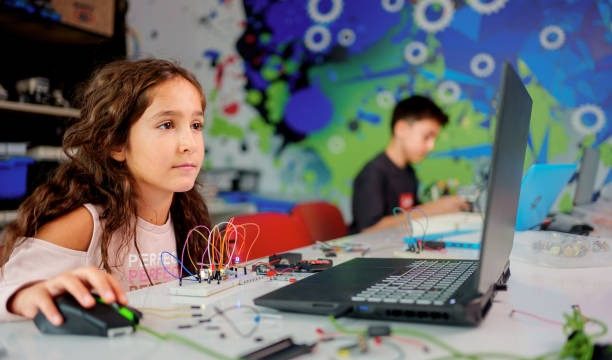
In a world that is rapidly evolving with technology at its core, the importance of technology education for the next generation cannot be overstated.
As we watch our children grow, it’s clear that the future they will inhabit will be shaped significantly by their understanding of technology.
This understanding goes beyond mere proficiency in using devices; it encompasses critical thinking, creativity, and a willingness to adapt in an ever-changing landscape.
The digital realm is where our children will make their mark. It is our responsibility to equip them with the tools they need not just to navigate this environment but to thrive within it. This endeavor is not merely about teaching kids how to use the latest gadgets; it is about fostering a mindset that embraces curiosity and innovation.
A gentle introduction to technology
When we think about introducing technology to children, it’s essential to consider the age-appropriate methods that can spark their interest. Early exposure to technology can begin with simple, engaging activities that blend play with learning. For instance, coding games designed for young minds can introduce them to the logic and structure behind programming without overwhelming them. This playful approach allows children to explore concepts in a way that feels natural and enjoyable, setting a foundation for deeper learning later on.
As children grow, their exposure to technology can expand in tandem with their cognitive and emotional development. By integrating technology into everyday activities—be it through educational apps, interactive storytelling, or even robotics kits—we can create a rich tapestry of learning experiences that ignite their passion for discovery. It’s about creating an environment where technology feels like a friend rather than a foe, encouraging them to ask questions and seek solutions.
Cultivating critical thinking and creativity
As we guide our children through their educational journeys, one of the most valuable skills we can impart is critical thinking. In a world saturated with information, the ability to analyze, evaluate, and synthesize data is paramount. Technology education should encourage young minds to question the status quo, think independently, and develop their unique perspectives.
Incorporating project-based learning can be a powerful way to nurture these skills. When kids are given the opportunity to work on projects that interest them—whether it’s designing a simple game, creating a blog, or developing a community app—they learn to think creatively and solve problems. These projects foster collaboration, as children often work in teams, sharing ideas and learning to communicate effectively. This collaborative spirit is essential, as the future workplace will likely demand teamwork across diverse fields.
The role of mentorship in tech education
As our children delve deeper into the world of technology, the influence of mentors becomes increasingly important. Mentorship can take many forms, from teachers who inspire a love for learning to family members who share their own experiences in tech. Connecting with individuals who have navigated similar paths can provide invaluable insights and encouragement.
Local community programs and online platforms offer opportunities for children to connect with mentors in a more structured way. These relationships can help demystify the tech world, making it more accessible and relatable. When kids see someone who has succeeded in a field they aspire to, it can ignite a spark of motivation that drives them to pursue their interests with vigor.
Embracing a balanced approach
While technology education is vital, it’s equally important to strike a balance in our children’s lives. The digital realm can sometimes feel overwhelming, with constant notifications and a barrage of information vying for attention. Encouraging children to take breaks from screens and engage in offline activities is essential for their overall well-being.
Outdoor play, reading, and creative pursuits such as drawing or playing music can provide a necessary counterbalance to the digital world. These activities not only foster creativity and physical health but also help children develop emotional intelligence and social skills. It’s about creating a harmonious blend of tech-savvy skills and a well-rounded lifestyle.
The power of community involvement
Involving the community in technology education can amplify its impact. Schools, local businesses, and organizations can collaborate to provide resources, workshops, and events that engage students and their families. By fostering a sense of community, we can create an ecosystem of support and encouragement for young learners.
Events like hackathons or coding camps can be both fun and educational, allowing children to showcase their skills while learning from others. These gatherings can help break down barriers, demystifying technology and making it feel more approachable. When children see their peers involved in tech-related activities, it can inspire them to explore their interests further.
Looking to the future
As we consider the path forward for technology education, it’s important to recognize that this journey is ongoing. The landscape of technology will continue to evolve, and so too must our approaches to teaching it. Staying informed about emerging trends and adapting our methods will be crucial in preparing the next generation for a world that is constantly changing.
Ultimately, technology education is about more than just learning to use tools; it’s about nurturing a mindset that embraces innovation, creativity, and resilience. By fostering a love for technology in our children, we are not just preparing them for future careers; we are encouraging them to be active participants in shaping the world around them.
As we embark on this journey together, let’s remember to celebrate the small victories, nurture curiosity, and create an environment where our children feel empowered to explore the endless possibilities that technology offers. With the right guidance and support, the next generation will not only thrive in a tech-driven world but will also contribute to a brighter, more interconnected future.