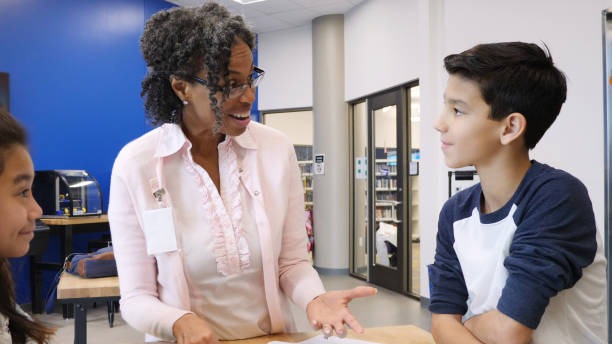
Helping Young Learners Explore Through Inquiry
In the world of education, the quest for understanding is often an adventure filled with curiosity, wonder, and discovery.
For young learners, this exploration can be a delightful journey, one that encourages them to ask questions and seek answers.
The process of inquiry allows children to engage deeply with their surroundings, nurturing both their minds and spirits.
By fostering an environment where inquiry is valued, we can help young learners unlock their potential and develop a lifelong love of learning.
The essence of inquiry-based learning lies in its ability to empower children. It shifts the focus from rote memorization to an active engagement with ideas and concepts. When children are encouraged to ask questions, they take ownership of their learning. This approach not only enhances their critical thinking skills but also cultivates their innate curiosity. Young learners become explorers, navigating through their interests, which can lead to a richer understanding of the world around them.
Creating a nurturing environment is essential for inquiry-based exploration. Children thrive when they feel safe and supported. This can be achieved by fostering a warm atmosphere where questions are welcomed, and ideas are freely exchanged. When adults model curiosity and enthusiasm, children are more likely to mirror that behavior. It’s important to show them that it’s okay not to have all the answers and that the process of seeking knowledge is just as valuable as the knowledge itself.
One effective way to encourage inquiry is through open-ended questions. These questions invite children to think critically and creatively. Instead of asking questions that have a single correct answer, consider framing questions that allow for multiple perspectives. For instance, instead of asking, “What is the capital of France?” you might ask, “What do you think life is like in a big city like Paris?” This kind of questioning encourages children to explore their thoughts and feelings, leading to richer discussions and deeper learning.
Incorporating hands-on experiences can also enhance inquiry-based learning. Children are naturally curious about the world, and engaging them in activities that require exploration can ignite their interest. Simple experiments, nature walks, or even cooking can serve as platforms for inquiry. For example, while cooking, children can ask questions about the ingredients, the process, and the science behind cooking. This not only makes learning fun but also connects theoretical concepts to real-life experiences, making them more meaningful.
A small shift toward balance in the way we present information can also make a significant difference. Rather than overwhelming young learners with facts, consider providing them with resources that spark their curiosity. Books, videos, and interactive materials can serve as tools for exploration. Allow children to choose what interests them, guiding them to discover their passions. This autonomy fosters a sense of agency, encouraging them to delve deeper into subjects that resonate with them.
Collaboration plays a vital role in the inquiry process. When children engage with their peers, they learn to share ideas, challenge each other’s thinking, and build on one another’s perspectives. Group projects or discussions can create a rich tapestry of knowledge, where each child contributes their unique viewpoint. This collaborative spirit not only enhances learning but also fosters social skills such as communication and teamwork.
As children explore their interests, it’s essential to encourage reflection. Taking time to think about what they’ve learned and how they’ve arrived at their conclusions can deepen their understanding. Journaling or discussing their thoughts with a trusted adult can help solidify their learning. Reflection allows young learners to connect the dots between their inquiries and the broader world, creating a more cohesive understanding of their experiences.
Moreover, fostering a sense of wonder is crucial in nurturing young learners’ inquisitive minds. Encouraging them to observe the little things—a bug crawling, a plant growing, or a cloud changing shape—can ignite their imagination. When children are taught to appreciate the beauty and complexity of their environment, they become more engaged and motivated to learn. Simple activities like nature scavenger hunts or art projects can encourage them to express their observations creatively.
Encouraging families to participate in the inquiry process can further enrich a child’s learning experience. When parents and caregivers engage with children’s interests, it strengthens the bond and creates a supportive learning community. Family outings, discussions about the day’s discoveries, or collaborative projects at home can extend the inquiry beyond the classroom. This shared experience reinforces the idea that learning is a lifelong journey, best undertaken together.
As educators and caregivers, it’s vital to recognize that inquiry is not just a method of learning but a way of life. It encourages resilience, adaptability, and a growth mindset. Young learners who are taught to embrace inquiry are better equipped to face challenges and navigate an ever-changing world. They develop skills that will serve them well beyond their early years, preparing them for a future filled with possibilities.
In conclusion, helping young learners explore through inquiry is a beautiful gift we can offer. By creating an environment that nurtures curiosity, encourages open-ended questioning, and promotes collaboration, we empower children to become active participants in their learning journeys. As they explore the world around them, they develop not only their intellect but also their character. This holistic approach to education fosters a lifelong love of learning, allowing young minds to flourish in a world full of wonder and discovery. Let us embrace the spirit of inquiry and watch as our young learners blossom into confident, curious individuals ready to explore the boundless possibilities that lie ahead.