Inquiry Learning That Builds Understanding
In the world of education, a gentle transformation is taking place.
Inquiry learning, a method that encourages curiosity and exploration, is slowly but surely reshaping the way we think about knowledge acquisition.
This approach not only fosters a deeper understanding but also nurtures a love for learning that can last a lifetime.
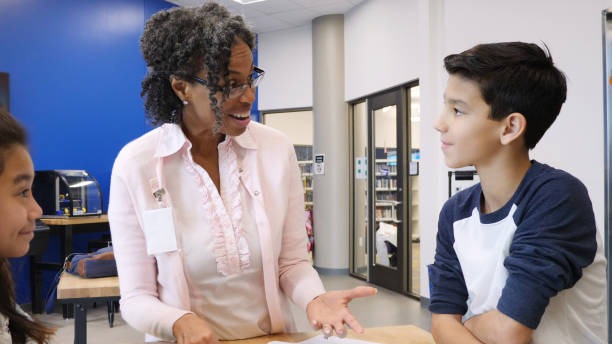
Imagine a classroom where students are not just passive recipients of information, but active participants in their own educational journeys. This is the essence of inquiry learning.
At its core, inquiry learning invites individuals to ask questions, engage in discussions, and seek out answers through exploration. It shifts the focus from rote memorization to genuine understanding, allowing learners to connect concepts in meaningful ways. This method is particularly effective because it mirrors the natural way we learn about the world around us. Think about it: from an early age, we are curious beings, eager to poke, prod, and explore. Inquiry learning taps into that innate curiosity, guiding learners to discover knowledge through their own experiences.
A small shift toward balance occurs when we realize that learning isn’t just about acquiring facts. It’s about building connections and understanding the ‘why’ behind the information. In traditional education, students often find themselves cramming for exams, memorizing details that may quickly fade from memory. Inquiry learning, however, encourages a more holistic approach, where students develop critical thinking skills and learn to ask the right questions. This nurtures an environment where failure is not something to be feared but rather a stepping stone to deeper understanding.
Creating an atmosphere conducive to inquiry learning begins with fostering a sense of community. When students feel safe and supported, they are more likely to share their thoughts and ideas. Teachers play a pivotal role in this process. By nurturing a classroom culture that celebrates curiosity and openness, educators can empower students to explore topics that genuinely interest them. This not only enhances engagement but also cultivates a sense of ownership over their learning journey.
The beauty of inquiry learning lies in its adaptability. It can be applied across various subjects and age groups, making it a versatile approach in the educational landscape. Whether in a science lab, a history class, or even during a literature discussion, inquiry-based activities can breathe life into the curriculum. For instance, instead of simply reading about ecosystems, students might engage in a project where they investigate local habitats, observe wildlife, and ask questions about environmental conservation. This hands-on experience not only solidifies their understanding but also instills a sense of responsibility toward the world around them.
As students delve deeper into their inquiries, they begin to develop essential skills that extend far beyond the classroom. Critical thinking, problem-solving, and collaboration become second nature as learners navigate complex questions and work together to find solutions. These skills are invaluable in today’s rapidly changing world, where adaptability and innovation are key to success. Inquiry learning equips students with the tools they need to thrive in an environment that increasingly values creativity and independent thinking.
Moreover, inquiry learning encourages reflection, allowing students to consider what they’ve learned and how they’ve grown. This reflective practice is essential for deepening understanding. By taking the time to think about their experiences, learners can identify gaps in their knowledge and recognize areas for further exploration. This self-awareness fosters a lifelong love of learning, one that transcends the walls of the classroom.
As we embrace the principles of inquiry learning, it’s essential to remember that the journey is just as important as the destination. Each question posed, each experiment conducted, and each discussion held contributes to a rich tapestry of understanding. This process invites learners to take ownership of their education and empowers them to become lifelong learners. It’s about cultivating a mindset that values curiosity, resilience, and the joy of discovery.
Incorporating inquiry learning into everyday life can also be a fulfilling practice outside the classroom. Whether you’re a parent, a mentor, or simply someone who enjoys exploring new topics, you can embrace this approach in your daily interactions. Encourage open-ended questions during family meals, engage in discussions about current events, or embark on creative projects that spark interest. This not only strengthens relationships but also models the value of inquiry to younger generations.
As we navigate an increasingly complex world, the importance of inquiry learning cannot be overstated. It nurtures a sense of wonder and encourages individuals to seek answers, challenge assumptions, and explore new ideas. This journey of discovery is not just limited to academia; it’s a lifelong pursuit that enriches our lives in countless ways.
In a society that often prioritizes quick answers and instant gratification, inquiry learning serves as a gentle reminder to slow down and appreciate the process of learning. It invites us to embrace uncertainty, celebrate curiosity, and recognize that understanding is built over time. As we continue to foster environments that support inquiry, we not only enhance our educational systems but also cultivate a culture that values knowledge, creativity, and critical thinking.
Ultimately, inquiry learning is about more than just acquiring knowledge; it’s about building a framework for understanding that lasts a lifetime. By encouraging curiosity and exploration, we create a world where learners are equipped to face challenges with confidence, empathy, and a sense of adventure. In this way, inquiry learning becomes a beautiful, transformative journey that touches every aspect of our lives, leading us toward a deeper understanding of ourselves and the world around us.