In the journey of education, the way we approach learning can significantly influence our experiences and outcomes.
Inquiry techniques have emerged as powerful tools that not only engage students but also empower them to take charge of their own learning.
By fostering curiosity and critical thinking, these methods create an environment where students feel confident to explore, question, and discover.
A gentle shift toward curiosity
At the heart of inquiry-based learning lies a simple yet profound idea: curiosity is the catalyst for knowledge. When students are encouraged to ask questions, they become active participants in their education. This approach nurtures a mindset that values exploration over rote memorization. Instead of merely absorbing information, students learn to analyze, synthesize, and evaluate, which deepens their understanding and retention.
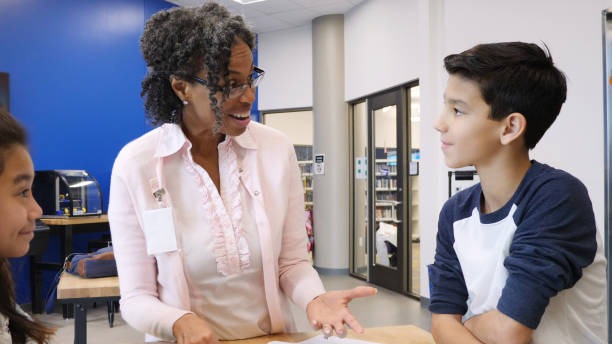
Creating a safe space for questions is essential. Educators can facilitate this by modeling curiosity themselves. When teachers share their own questions and wonderings about a subject, it sets a tone that encourages students to express their thoughts without fear of judgment. This shift creates a culture of inquiry where students feel valued for their contributions, no matter how small.
The art of questioning
Effective inquiry techniques often center around the art of questioning. Open-ended questions invite students to think deeply and reflectively. For instance, rather than asking, “What is the capital of France?” a teacher might pose, “What do you think makes Paris an important city in the world?” This type of questioning not only prompts students to engage with the material but also encourages them to draw on their own experiences and perspectives.
Incorporating various types of questions can further enhance this process. Questions that require students to analyze, evaluate, or create can lead to rich discussions and innovative thinking. Encouraging students to generate their own questions can also be a transformative practice. It empowers them to take ownership of their learning journey and fosters a sense of agency that is vital in today’s world.
Exploration through collaboration
Inquiry techniques thrive in collaborative environments. When students work together, they bring diverse perspectives and ideas to the table, enriching the learning experience for everyone involved. Group discussions, peer feedback, and cooperative projects allow students to engage in dialogue, challenge each other’s thinking, and build on one another’s insights.
Creating opportunities for collaboration can be as simple as arranging students in small groups to tackle a problem or explore a topic. This not only enhances their understanding but also builds essential social skills. As they navigate differing opinions and perspectives, students learn to communicate effectively and respect diverse viewpoints, which are invaluable skills in both academic and real-world settings.
A mindful approach to reflection
Reflection is a cornerstone of inquiry-based learning. After engaging in a project or discussion, allowing time for students to reflect on their experiences can deepen their understanding and cement their learning. Reflection can take many forms, from journaling to group discussions, and it encourages students to think critically about what they have learned and how they have grown.
Incorporating regular reflection into the learning process helps students identify their strengths, recognize areas for improvement, and set goals for their future learning. It’s a gentle reminder that education is not just about acquiring knowledge but also about personal growth and self-discovery.
Connecting learning to the real world
One of the most empowering aspects of inquiry techniques is their ability to connect classroom learning to the real world. When students see the relevance of what they are studying, their motivation and engagement increase. Real-world applications of knowledge allow students to understand the impact of their learning beyond the classroom walls.
Teachers can facilitate this connection by integrating project-based learning, where students tackle real-life challenges or explore community issues. This not only enhances their problem-solving skills but also instills a sense of purpose and responsibility. When students recognize that their efforts can lead to meaningful change, they are more likely to embrace their role as active learners and contributors to society.
Fostering a growth mindset
Empowering students through inquiry techniques also involves cultivating a growth mindset. This concept, popularized by psychologist Carol Dweck, emphasizes the belief that abilities and intelligence can be developed through dedication and hard work. By reinforcing the idea that challenges are opportunities for growth, educators can inspire resilience and perseverance in their students.
Encouraging students to view mistakes as valuable learning experiences is a vital part of this process. When students understand that setbacks are a natural part of learning, they are more likely to take risks and pursue new challenges. This shift in perspective can lead to a more positive and proactive approach to education, where students feel empowered to push their boundaries and explore new ideas.
The journey ahead
As we continue to embrace inquiry techniques in education, it is essential to remember that empowerment is a gradual process. Each question asked, each collaboration fostered, and each reflection made contributes to a richer learning experience. By nurturing curiosity, encouraging critical thinking, and fostering real-world connections, we can create a vibrant educational landscape where students are not only learners but also explorers, innovators, and leaders.
In this journey, educators play a pivotal role in guiding students, providing them with the tools and opportunities they need to thrive. By embracing these inquiry techniques, we are not just preparing students for academic success; we are empowering them to navigate the complexities of life with confidence and resilience. As we look to the future, let us continue to cultivate environments that inspire curiosity, foster collaboration, and celebrate the endless possibilities of learning.