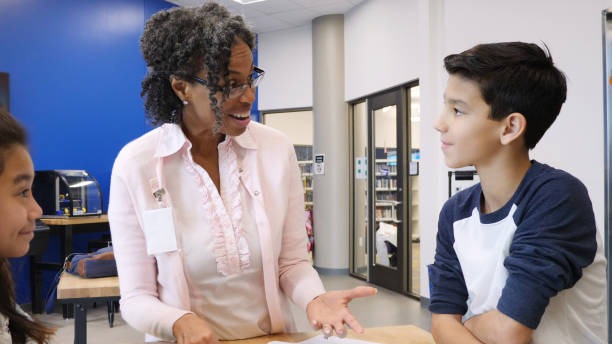
In the world of education, the traditional model of teaching often emphasizes a one-way flow of information from teacher to student.
Yet, as educators and guardians, we find ourselves yearning for something deeper—a connection that fosters curiosity and a genuine love for learning.
Leading students to discoveries through inquiry is a transformative approach that not only enhances knowledge but also nurtures critical thinking and lifelong skills.
When we think about inquiry-based learning, we envision classrooms alive with energy, where students engage in exploration and question the world around them. This method encourages them to take ownership of their learning journey, allowing their natural curiosity to guide them. Instead of merely absorbing facts, they become active participants, driven by questions that spark their imagination.
Creating an environment ripe for inquiry begins with a simple shift in mindset. Rather than presenting students with all the answers, we can encourage them to ask questions of their own. This small change can lead to profound discoveries. Imagine a classroom where students feel empowered to express their thoughts freely, where every question is a stepping stone to deeper understanding. By fostering this kind of atmosphere, we inspire students to take risks and explore ideas that may seem daunting at first.
One of the most beautiful aspects of inquiry is its ability to connect learning to real-life experiences. When students engage in projects that resonate with their interests or community issues, they develop a sense of relevance and purpose. For instance, a science project about local ecosystems can ignite passion in students who care about the environment. They might conduct experiments, gather data, and even collaborate with local organizations, transforming their classroom into a vibrant hub of exploration.
Moreover, inquiry-based learning cultivates critical thinking skills. As students investigate their questions, they learn to analyze information, evaluate sources, and draw conclusions. This analytical process mirrors the way we navigate the complexities of life outside the classroom. Encouraging students to think critically about their findings allows them to develop a mindset that values evidence and reason—skills that are essential in today’s rapidly changing world.
A gentle approach to guiding students through inquiry involves asking open-ended questions that stimulate thought. Instead of simply asking, “What is the capital of France?” we might pose the question, “What might life be like in a city like Paris?” This invites students to think beyond rote memorization and consider the cultural, historical, and social contexts of their inquiries. It encourages them to delve into research, share their thoughts, and engage in meaningful discussions with their peers.
As we guide students on their inquiry journeys, it’s important to remember that the process is just as valuable as the outcome. Mistakes and setbacks are natural parts of learning, and embracing them can foster resilience. When students encounter challenges, we can encourage them to view these moments as opportunities for growth. This mindset not only builds confidence but also instills a lifelong love for learning, where the pursuit of knowledge becomes an adventure rather than a chore.
Incorporating technology into inquiry-based learning can further enhance the experience. With access to a wealth of information at their fingertips, students can explore topics in greater depth and connect with experts around the world. Online platforms provide opportunities for collaboration, allowing students to share their findings and learn from one another. This interconnectedness broadens their perspectives and nurtures a sense of global citizenship.
Creating a supportive community is essential for fostering inquiry. When students feel safe to express their thoughts and ideas, they are more likely to engage in meaningful exploration. Encouraging collaboration among peers can lead to rich discussions and diverse viewpoints. In this environment, students learn not only from their teachers but also from each other, creating a tapestry of knowledge that is vibrant and dynamic.
As educators, we can also model inquiry in our own practices. By demonstrating our curiosity and enthusiasm for learning, we set an example for our students. Sharing our own questions and discoveries shows them that learning is a lifelong journey, one that doesn’t end with formal education. This authenticity helps build trust and encourages students to embrace their own inquiries with passion.
In the end, leading students to discoveries through inquiry is about nurturing a mindset that values curiosity, resilience, and critical thinking. As we guide them on this path, we create a rich tapestry of learning experiences that extend beyond the classroom walls. These experiences not only equip students with knowledge but also empower them to navigate the world with confidence and a sense of wonder.
As we reflect on the power of inquiry-based learning, we can take heart in knowing that every question asked is a step toward deeper understanding. Each moment spent exploring and discovering is an investment in a brighter future, where students are not just passive recipients of knowledge but active participants in their own learning journeys. By embracing this approach, we can cultivate a generation of thinkers, innovators, and compassionate individuals ready to engage with the world around them.