In the cozy realm of technology, where innovation dances with creativity, robotics stands out as a captivating field.
The allure of robots, whether they are helping in factories, assisting in medical procedures, or even roaming our homes, is undeniable.
But what truly brings these mechanical wonders to life? At the heart of every robot lies programming—a skill that merges logic with imagination, crafting the behaviors and capabilities of these machines. Understanding robotics programming languages is a journey worth embarking on, one that opens doors to a world where dreams of automation and artificial intelligence come true.
Exploring the landscape of robotics programming languages can feel overwhelming at first glance, akin to stepping into a bustling marketplace filled with colorful stalls, each offering unique products. Each language serves its purpose, catering to different aspects of robotics, from low-level hardware control to high-level artificial intelligence applications. Just as every recipe requires specific ingredients, the choice of programming language can greatly affect the performance and capabilities of a robot.
As we begin this exploration, it’s helpful to understand the foundational languages that have shaped the field. C and C++ are like the seasoned chefs of the programming world. They are revered for their efficiency and control, particularly in real-time applications. These languages allow developers to interact closely with the hardware, making them ideal for robotics where timing and precision are crucial. Their ability to manage system resources effectively means that robots can respond swiftly to their environment, a critical factor in applications ranging from autonomous vehicles to drones.
Another important player in this arena is Python, a language celebrated for its simplicity and readability. Think of Python as the friendly guide, making programming accessible to newcomers and seasoned developers alike. Its vast libraries and frameworks, such as ROS (Robot Operating System), provide powerful tools for building complex robotic systems without getting lost in the intricacies of lower-level programming. Python’s versatility makes it an excellent choice for tasks ranging from data analysis to machine learning, enabling robots to learn and adapt in ways that were once the stuff of science fiction.
As we delve deeper, we encounter languages like Java and MATLAB, each with its unique strengths. Java, known for its portability, allows developers to write code once and run it anywhere. This feature is particularly beneficial in robotics, where different systems may need to communicate seamlessly. Meanwhile, MATLAB shines in the realm of simulation and algorithm development. It provides an intuitive environment for testing and refining robotic designs before they take their first steps in the real world. The ability to simulate complex behaviors can save time and resources, making it a valuable tool in the early stages of robotics projects.
A small shift toward balance is required when considering the future of robotics programming languages. As technology evolves, so too does the need for languages that can accommodate advancements in artificial intelligence and machine learning. Languages like R and Julia are gaining traction in these areas, offering powerful statistical and analytical capabilities. The rise of AI-driven robotics means that developers need to harness these languages to create robots that can learn from their environments and make decisions in real time. The integration of AI with robotics is an exciting frontier, one that promises to redefine the boundaries of what robots can achieve.
It’s also essential to acknowledge the community aspect of robotics programming. The vibrant online forums and collaborative projects foster a sense of belonging among enthusiasts and professionals alike. This community spirit encourages knowledge sharing, making it easier for newcomers to find their footing. Open-source projects, in particular, have democratized access to advanced robotics tools, allowing anyone with curiosity and determination to contribute to the field. This collaborative environment not only accelerates innovation but also nurtures a culture of support and encouragement.
As we navigate the intricacies of robotics programming languages, it’s important to remember that learning is a journey, not a destination. The landscape is constantly evolving, and new languages and frameworks emerge regularly. Staying curious and adaptable is key. Embracing the mindset of lifelong learning allows individuals to grow alongside the technology, ensuring they remain engaged and inspired.
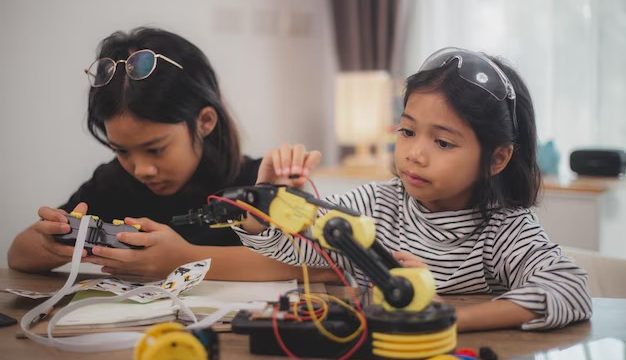
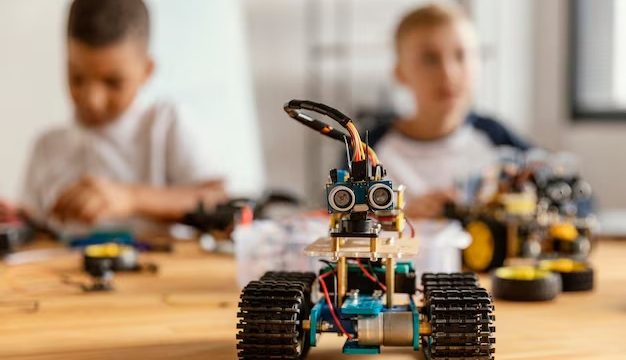
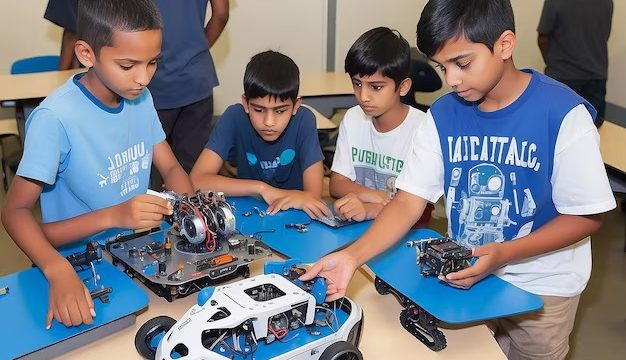
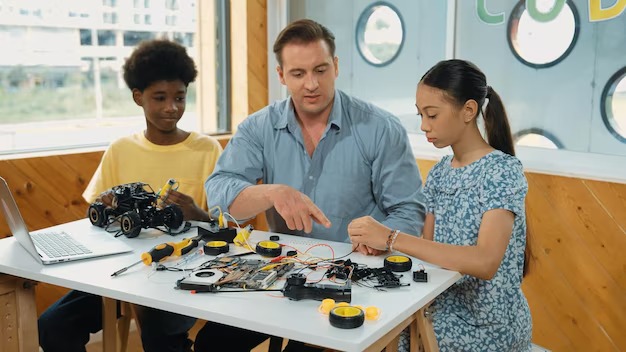
For those considering a foray into robotics programming, starting small can be a gentle approach. Engaging with simple projects or joining local robotics clubs can provide hands-on experience while fostering connections with like-minded individuals. Online courses and tutorials offer a wealth of resources, guiding learners through the basics and beyond. The joy of watching a robot respond to your code is a rewarding experience, igniting a passion that can lead to exciting opportunities in the field.
In conclusion, understanding robotics programming languages is more than just a technical endeavor; it’s a pathway to creativity and exploration. Each language offers its unique flavor, contributing to the rich tapestry of robotics. Whether you find yourself drawn to the precision of C++, the accessibility of Python, or the innovative potential of AI-driven languages, there is a place for everyone in this dynamic field. So, take a step forward into the world of robotics programming, where the only limits are those of your imagination. Embrace the journey, and who knows what incredible creations await you on the other side.