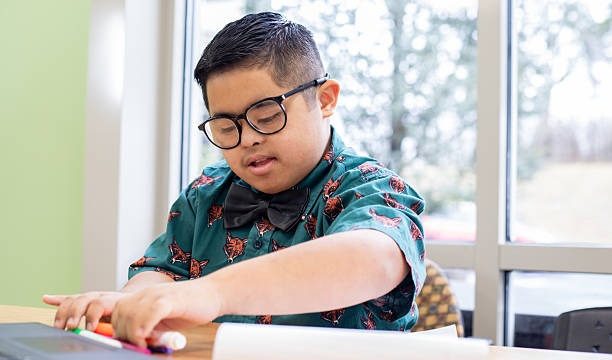
In the gentle world of childhood, play serves as a vital ingredient in the recipe for early literacy.
While many parents and caregivers focus on structured learning, it’s essential to remember that play is not merely a distraction; it is a powerful avenue for children to explore language, develop communication skills, and ignite their imaginations.
The magic of play is that it feels effortless to children. It’s through this lens of joy and curiosity that they begin to understand the world around them, including the nuances of language. When children engage in play, they naturally experiment with words, sounds, and stories, often without even realizing they are laying the groundwork for literacy skills.
Imaginative play, in particular, provides a rich tapestry for language development. When children step into the shoes of their favorite characters or invent new ones, they create dialogues that mirror the conversations they hear in their everyday lives. This role-playing allows them to practice vocabulary in a context that feels safe and familiar. They learn to express themselves, negotiate with peers, and even resolve conflicts, all of which are crucial components of effective communication.
As they navigate through make-believe scenarios, children often encounter new words and phrases. Whether they are pretending to be doctors, chefs, or superheroes, each role comes with its own unique language. This exposure is invaluable. It broadens their vocabulary and helps them understand the various contexts in which words can be used. Such encounters with language are not limited to spoken words; they also extend to written forms, as children often create signs, menus, or stories during their playtime.
Reading together can enhance this experience. When parents read aloud to their children, they introduce them to the rhythm and melody of language. This shared activity encourages a love for books and storytelling. The act of turning pages and discussing illustrations can transform reading into a delightful adventure. Children learn to associate books with positive experiences, fostering a lifelong passion for literacy that will serve them well as they grow.
Incorporating play into reading time can further enrich the experience. For instance, after reading a story, parents might encourage their children to act it out or create their own endings. This not only deepens their understanding of narrative structure but also fuels their creativity. By allowing children to engage with stories on multiple levels—through listening, acting, and even drawing—they gain a more comprehensive grasp of the language and its possibilities.
Outdoor play also contributes significantly to early literacy. Nature is a boundless source of inspiration. Whether it’s collecting leaves, observing insects, or building forts, outdoor activities can spark conversations rich in descriptive language. As children describe their discoveries, they practice articulating their thoughts and feelings, which enhances their vocabulary and comprehension skills.
Sensory play, such as playing with sand, water, or clay, can also promote literacy development. These activities allow children to explore textures, shapes, and colors, which can lead to descriptive language. For example, while playing with clay, a child might be encouraged to describe the feeling of the material or the shape they are creating. Such experiences help children make connections between words and the world around them, reinforcing their understanding of language.
As children engage in various forms of play, they also develop critical thinking and problem-solving skills. When faced with challenges during play, such as building a tower that keeps falling or figuring out how to share toys, they learn to think creatively and communicate their ideas. This not only enhances their cognitive abilities but also reinforces their language skills. They begin to articulate their thoughts more clearly, ask questions, and seek solutions, all of which are fundamental to effective literacy.
It’s also important to recognize the role of social play in literacy development. When children play together, they learn to listen and respond to one another. This back-and-forth exchange is vital for developing conversational skills and understanding the nuances of language, such as tone and inflection. Through group play, children learn to negotiate, collaborate, and express their ideas, which enhances their overall communication skills.
Encouraging a balance between structured learning and free play can create a nurturing environment for literacy development. While it’s beneficial to introduce children to letters and sounds through games and activities, it’s equally important to allow them the freedom to explore language organically. This balance fosters a love for learning that will stay with them long after their early years.
Ultimately, the journey of literacy begins long before children pick up a pencil or open a book. It is woven into the fabric of their daily lives, especially through the lens of play. By embracing the power of play, parents and caregivers can create a rich, stimulating environment that nurtures language development and fosters a lifelong love of reading.
As we witness the world of early literacy unfold through the playful lens of childhood, we are reminded that learning does not have to be a chore. It can be a beautiful dance of creativity, exploration, and joy. By allowing children to play freely and supporting their imaginative journeys, we provide them with the tools they need to become confident readers and communicators. In this way, play becomes not just an activity, but a pathway to a world of words and stories, waiting to be discovered.