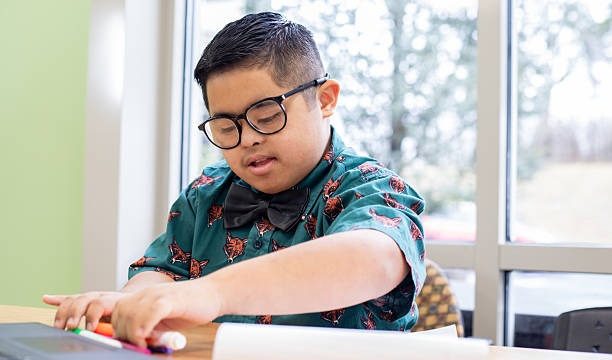
Encouraging teamwork in young children is a wonderful journey that can shape their social skills, foster friendships, and nurture a sense of belonging.
As parents and educators, we have a unique opportunity to guide children in developing these essential skills through playful and engaging activities.
The beauty of teamwork is that it can be cultivated in many settings, from the playground to the classroom, providing countless opportunities for children to learn the value of collaboration.
When young children come together to work toward a common goal, they experience the joy of shared success. This not only enhances their communication skills but also helps them understand the importance of listening to others. In a world that often emphasizes individual achievement, it is vital to remind our little ones that they are part of a larger community. Encouraging teamwork allows them to appreciate the strengths that each person brings to the table, fostering an inclusive environment where everyone feels valued.
One effective way to promote teamwork is through group play. Simple games that require cooperation can be incredibly beneficial. For example, playing a game of “Simon Says” encourages children to work together while following instructions. As they take turns leading and following, they learn the importance of taking initiative and being respectful of others’ ideas. This playful interaction not only develops their listening skills but also reinforces the concept of teamwork in a fun and engaging way.
Another delightful approach to encouraging teamwork is through creative projects. Art and craft activities can be a fantastic avenue for collaboration. When children work together to create a mural or a group sculpture, they learn to share materials, brainstorm ideas, and compromise on different viewpoints. This process nurtures their creativity while teaching them to value different perspectives. By celebrating each child’s contributions, you can reinforce the idea that teamwork can lead to beautiful outcomes that no one person could achieve alone.
Outdoor activities also present a wonderful opportunity for fostering teamwork. Whether it’s playing a sport or engaging in a scavenger hunt, these experiences can help children recognize the significance of collaboration. Sports, in particular, teach children about roles and responsibilities within a team. As they pass the ball, cheer for one another, and strategize together, they gain a sense of camaraderie that can last a lifetime. These moments of shared excitement create bonds that deepen friendships and build trust among peers.
Cultivating emotional intelligence is another vital aspect of teamwork. Encouraging children to express their feelings and recognize the emotions of others can enhance their ability to work together harmoniously. Simple conversations about feelings can help children understand the impact of their actions on their teammates. By discussing scenarios where teamwork is essential, children can develop empathy and learn how to support their friends in both successes and challenges. This emotional connection is the foundation of strong teamwork.
As we guide children in their teamwork journey, it’s essential to create a safe and encouraging environment. Celebrating both successes and failures can help children feel secure in their attempts to collaborate. When they understand that mistakes are a natural part of learning, they become more willing to take risks and try new things with their peers. Encouraging resilience and a positive mindset will help them navigate obstacles together, reinforcing the idea that teamwork is about collective growth rather than individual perfection.
Incorporating teamwork into everyday routines can also be beneficial. Simple tasks like setting the table or organizing toys can become opportunities for children to work together. By assigning roles, such as one child gathering plates while another arranges utensils, they learn to appreciate the importance of each contribution. These small acts of collaboration can lay the groundwork for more complex teamwork in the future.
The role of adults in fostering teamwork cannot be understated. As mentors, we can model collaborative behavior by engaging in teamwork ourselves. Whether it’s working with other parents on a school project or participating in community activities, showing children how adults collaborate can inspire them to emulate that behavior. Sharing stories of teamwork from our own lives can also illustrate the benefits of working together, reinforcing the idea that teamwork is a lifelong skill.
As children grow and develop, their understanding of teamwork will evolve. Encouraging them to reflect on their experiences can enhance their learning. After completing a group activity, take a moment to discuss what went well and what could be improved. This reflection not only solidifies the lessons learned but also empowers children to take ownership of their contributions to team dynamics. It fosters a growth mindset, where they can appreciate the journey of learning rather than just the destination.
Ultimately, encouraging teamwork in young children is a gift that will serve them throughout their lives. The ability to collaborate effectively is essential in both personal and professional relationships. By nurturing these skills early on, we help them build a foundation of trust, respect, and empathy that will guide them in their interactions with others.
As we encourage teamwork, let us remember to celebrate the small victories along the way. Each moment of collaboration, whether big or small, is a step toward building a more connected and compassionate world. Through play, creativity, and shared experiences, we can help young children embrace the beauty of working together, creating bonds that will last a lifetime. In doing so, we not only enrich their lives but also contribute to a brighter future, where teamwork becomes second nature.