As the summer days begin to wane and the air turns crisp, many parents find themselves preparing for a significant milestone: kindergarten.
This transition can be both thrilling and daunting, not just for children but for parents as well.
It’s a time filled with anticipation, new beginnings, and perhaps a tinge of anxiety. Understanding how to prepare your child for this journey can make all the difference in easing those nerves and setting the stage for a successful school experience.
A gentle introduction to change
Starting kindergarten is often the first big step into the world of formal education for many children. It’s essential to recognize that this transition is not just about academic readiness; it’s also about social and emotional preparedness. Children will encounter new environments, classmates, and routines, and how they adapt to these changes can greatly affect their overall experience.
One of the best ways to ease your child into this new chapter is to talk openly about what kindergarten will be like. Share stories about your own school experiences, perhaps highlighting the joys of making new friends or discovering exciting subjects. This can help demystify the process and build your child’s enthusiasm.
Creating a supportive environment at home
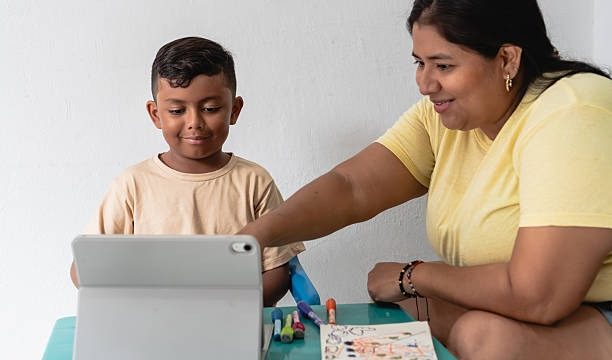
Creating a nurturing atmosphere at home can significantly impact your child’s readiness for school. Simple activities like reading together, engaging in imaginative play, or even cooking can foster skills that are beneficial in a classroom setting. Reading, in particular, not only enhances language skills but also ignites imagination and curiosity.
Encouraging your child to express their feelings about school can also be immensely helpful. They may have fears or concerns, and providing a safe space for them to share these feelings can help alleviate anxiety. Listen actively, validate their emotions, and offer reassurance. Often, just knowing that they can talk to you about their worries can provide comfort.
A small shift toward balance
In the months leading up to kindergarten, consider introducing some structure to your child’s daily routine. While summer days may have been filled with spontaneous adventures, a more predictable schedule can help children adjust to the rhythm of school life. This doesn’t mean you need to eliminate all fun; rather, try to incorporate a balance of playtime, learning, and rest.
Establishing a bedtime routine is particularly important. A good night’s sleep is crucial for young children, especially as they embark on a busy school day filled with new activities and learning opportunities. Consistent bedtime and wake-up times can help your child feel more secure and prepared for the day ahead.
Fostering independence
Kindergarten is a time for children to explore their independence. Encouraging self-help skills at home can be a wonderful way to prepare your child for this new level of responsibility. Simple tasks like dressing themselves, tying shoelaces, or packing their own backpack can instill a sense of confidence.
While it’s tempting to jump in and help, allowing your child to try things on their own—even if they struggle a bit—can be incredibly empowering. Celebrate their efforts, no matter how small. This will help them understand that making mistakes is part of learning, and that perseverance is a valuable trait.
Building social skills
As children prepare for kindergarten, social skills become increasingly important. Arranging playdates or group activities can provide opportunities for your child to interact with peers. These experiences can help them learn to share, take turns, and express themselves in a group setting.
If possible, consider enrolling your child in a preschool or a pre-kindergarten program. These settings often provide structured social interactions that can ease the transition into the school environment. Engaging with other children in a classroom-like setting can help them feel more comfortable when it’s time to step into kindergarten.
Encouraging curiosity and a love for learning
Promoting a sense of curiosity about the world can help cultivate a love for learning in your child. Take trips to museums, explore nature, or engage in science experiments at home. Encourage questions and celebrate their discoveries. This approach not only makes learning fun but also helps them develop critical thinking skills that will be valuable in school.
Additionally, incorporate educational games into your playtime. Activities that involve numbers, letters, or problem-solving can make learning feel like a natural part of their everyday life. The goal is to make education enjoyable, so they approach kindergarten with excitement rather than apprehension.
The role of communication
As you prepare your child for kindergarten, communication with their future teachers and school is essential. If possible, attend orientation sessions or meet the teacher events. Familiarizing your child with the school environment can alleviate some of their fears. If your school offers a chance to visit the classroom before the school year starts, take advantage of this opportunity.
Additionally, keep an open line of communication with the teachers once school begins. They can provide insights into your child’s progress and social interactions, and they can offer advice on how to support your child’s learning at home. Building a trusting relationship with educators can create a strong support system for your child.
Nurturing resilience
Lastly, it’s important to nurture resilience in your child. School can be challenging, and there may be moments of frustration or disappointment. Teaching your child how to cope with setbacks, whether it’s a difficult math problem or a disagreement with a friend, will serve them well throughout their educational journey. Encourage them to take deep breaths, seek help when needed, and understand that challenges are opportunities for growth.
As the school year approaches, remember that this transition is a journey, not a race. Each child is unique, and their readiness for kindergarten will look different. Embrace this time as an opportunity to bond, learn, and grow together. With your support, your child can step into kindergarten with confidence, excitement, and a readiness to explore the world of learning that awaits them.