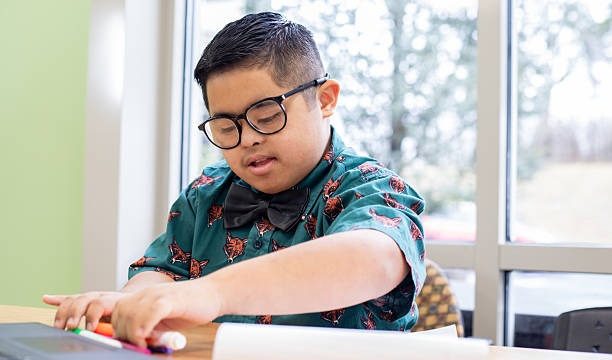
Exploring creativity through preschool activities opens a door to a world of imagination and discovery for young children.
At this tender age, children are naturally curious and eager to explore their surroundings.
Engaging them in creative activities not only nurtures their artistic expression but also fosters cognitive, social, and emotional development. Here, we will delve into various preschool activities that encourage creativity and offer a gentle nudge toward holistic growth.
The beauty of creativity in preschoolers lies in its simplicity. Everyday materials can transform into tools for exploration. Think about a simple box, for instance. To an adult, it may seem like just a container, but to a child, it can become a fort, a spaceship, or even a treasure chest. This ability to see beyond the ordinary is the cornerstone of creative thinking and can be cultivated through various activities.
Art is an essential avenue for self-expression. Painting, drawing, and crafting allow children to communicate feelings and ideas that they may not yet have the words to express. Setting up a space for art in your home or classroom can ignite a passion for creation. Providing an array of materials—such as crayons, watercolors, or even natural items like leaves and twigs—encourages children to experiment. The process of creating art is often more important than the final product, as it teaches them to enjoy the journey of exploration.
Storytelling is another wonderful way to spark creativity. Children have vivid imaginations, and sharing stories can help them articulate their thoughts and feelings. Reading together can open up discussions about characters, settings, and plots, inspiring children to create their own tales. Encourage them to draw scenes from their favorite stories or even to act them out. This not only enhances their narrative skills but also builds confidence as they share their imaginative worlds with others.
Engaging children in music and movement can also be a delightful way to explore creativity. Singing songs, playing simple instruments, or participating in dance can stimulate both the body and mind. Music encourages rhythm and coordination, while dance allows for personal expression. Create a space where children can freely move and explore different sounds, giving them the freedom to interpret music in their unique ways. This playful exploration can be both joyous and liberating.
The outdoors offers an endless canvas for creativity. Nature is a source of inspiration, and outdoor activities can foster a connection with the world around us. Simple activities such as nature walks can stimulate curiosity. Encourage children to collect leaves, rocks, or flowers, and then use these items in creative projects. Perhaps they can create a nature collage or a leaf rubbings that showcase the textures they’ve discovered. The fresh air and sensory experiences of being outside can invigorate their spirits and fuel their imagination.
Incorporating imaginative play into daily routines is another gentle way to foster creativity. Children thrive in environments where they can role-play and explore different scenarios. Providing costumes, props, or even kitchen utensils can turn a simple playtime into a world of adventure. Whether it’s pretending to be chefs, superheroes, or explorers, imaginative play helps children develop problem-solving skills and enhances their social interactions as they negotiate roles and share ideas with peers.
A small shift toward balance can be found in the way we approach creative activities. While it’s essential to provide opportunities for free expression, guidance can also play a role. Introducing themes or challenges can spark new ideas. For instance, you might suggest a “color day” where everything created must incorporate a specific color. This not only encourages creativity but also helps children think critically about their choices and the materials they use.
Collaboration is another important aspect of creativity. Group activities allow children to share ideas, learn from one another, and develop teamwork skills. Whether it’s working on a group art project or building a structure with blocks, collaboration fosters a sense of community and encourages children to express themselves in a supportive environment. The exchange of ideas can lead to unexpected and delightful outcomes, showcasing the beauty of collective creativity.
As parents or educators, it’s important to recognize that creativity flourishes in an environment that is supportive and non-judgmental. Encouraging children to express themselves freely without the fear of making mistakes allows them to explore their capabilities. Celebrate their efforts rather than focusing solely on the end results. This positive reinforcement cultivates resilience and helps children develop a healthy attitude toward their creative pursuits.
In nurturing creativity through preschool activities, we not only enrich children’s lives but also lay the foundation for lifelong learning. The skills they develop during these formative years—imagination, problem-solving, and collaboration—will serve them well as they navigate the world. By providing a variety of engaging activities and a nurturing environment, we empower children to explore their unique creative voices.
In conclusion, exploring creativity through preschool activities is a delightful journey that benefits both children and their caregivers. The joy of watching young minds blossom through art, storytelling, music, and play is a gift that keeps on giving. By embracing the simple pleasures of creativity, we can cultivate an atmosphere of curiosity and exploration that enriches our lives and strengthens our connections with the little ones in our care. So let’s take a moment to appreciate the beauty of creativity and the endless possibilities it brings to our everyday lives.